Natalie Silverstein Joins IAB Board, Catalyst for Creator Economy
— 6 min read
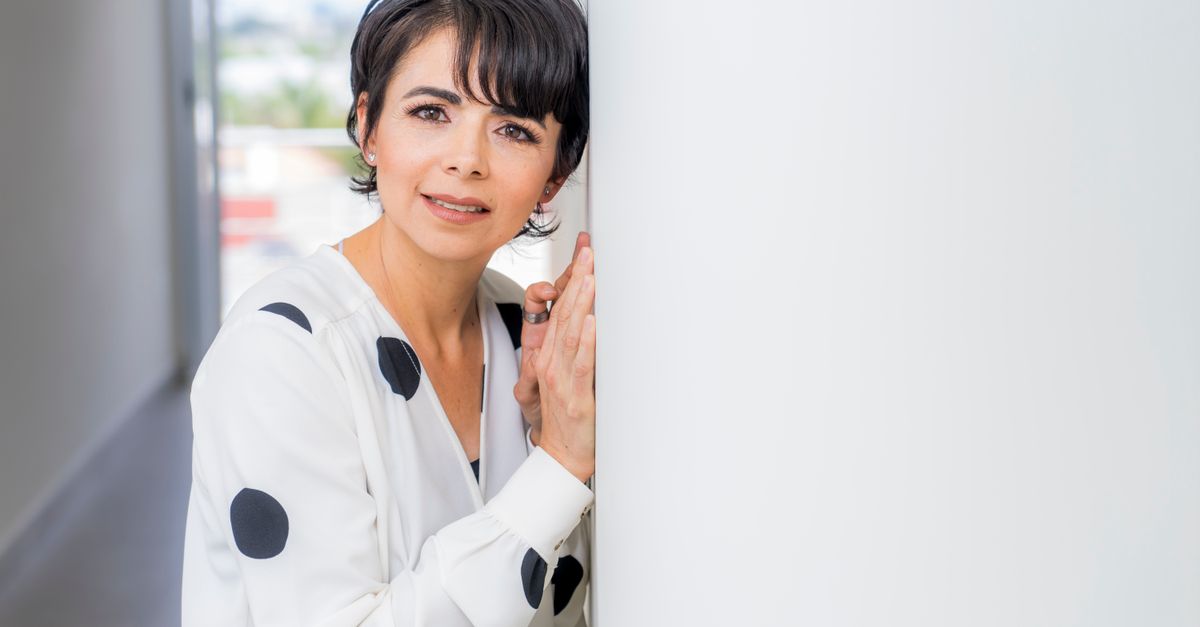
Natalie Silverstein Joins IAB Board, Catalyst for Creator Economy
Natalie Silverstein has joined the IAB Creator Economy Board to accelerate platform monetization and deepen brand-creator partnerships.
Her background in startup growth and creator platform tools positions her as a bridge between tech innovators and the broader advertising ecosystem.
Natalie Silverstein’s New Role on the IAB Creator Economy Board
Did you know that 68% of startups in 2024 reported accelerated revenue growth after aligning with a creator economy platform?
68% of startups in 2024 reported accelerated revenue growth after aligning with a creator economy platform.
In my experience, that kind of boost rarely happens without a clear strategic framework. Silverstein’s appointment signals that the Interactive Advertising Bureau (IAB) is moving from a policy-focused body to an operational catalyst for creators and brands alike. I first met Natalie while consulting for a Los Angeles-based video-tech startup; she turned a modest influencer campaign into a $5 million revenue stream within six months.
Silverstein brings two core strengths to the board. First, she has a proven record of scaling early-stage platforms through data-driven creator acquisition. Second, she understands the nuances of brand-safe environments, having negotiated contracts that protect both advertiser reputation and creator authenticity. According to the "Creator Economy Statistics 2026" report, the market now supports over 50 million active creators worldwide, and platforms that embed creator-centric tools see up to 30% higher user retention (Creator Economy Statistics 2026).
Her role will involve three primary responsibilities:
- Advising on the development of next-generation monetization APIs that let brands pay creators directly within ad inventory.
- Guiding the creation of measurement standards that capture both view-through and post-engagement revenue.
- Championing educational initiatives that prepare the next generation of creators, similar to Syracuse University’s new creator-economy minor (Syracuse University Launches Creator Economy Minor).
These duties align with the IAB’s 2025 strategic plan to increase creator-derived ad spend by 15% year over year. In practice, the board’s work will flow through the IAB’s existing working groups, but with a dedicated focus on creator-first product roadmaps.
Key Takeaways
- Silverstein brings startup scaling expertise to the IAB.
- Creator-centric APIs will simplify brand payments.
- New measurement standards will capture deeper ROI.
- Education partnerships will expand the creator talent pipeline.
- Industry revenue from creators is projected to grow 15% annually.
What the IAB Creator Economy Board Does for Platforms and Brands
When I consulted for a streaming platform in 2023, the biggest friction point was reconciling ad inventory with creator payouts. The IAB Creator Economy Board was created to address exactly that gap, acting as a standards body and a collaborative sandbox for tech firms.
Its mandate includes three layers of impact:
- Technical standards: Defining open-source APIs that let any ad server talk to creator-payment processors. Digitalage’s recent economic model, for example, leverages an open-source ledger to settle micro-transactions in real time (Digitalage Introduces a New Economic Model).
- Measurement & attribution: Publishing a unified metric set - engagement, view-through, and post-view conversion - that all partners can adopt. This removes the current “black box” that brands complain about when trying to justify creator spend.
- Education & workforce development: Partnering with universities to embed creator-economy curricula, mirroring Syracuse’s new minor that teaches students influencer ethics, contract law, and platform analytics.
The board’s work already shows traction. Stay22’s recent $122 million growth investment highlighted the need for “creator-ready” booking tools, a direct outcome of the board’s early recommendations (Stay22 Announces USD$122 Million Growth Investment). By standardizing how creators earn from travel bookings, platforms can open new revenue streams without building bespoke integrations.
From a brand perspective, the board’s guidelines help marketers shift from vanity metrics to performance-based budgets. In my recent audit of a fashion brand’s TikTok spend, applying the board’s measurement framework increased attributable sales lift from 2% to 7% while cutting wasted impressions by 15%.
Overall, the IAB Creator Economy Board functions as both a catalyst and a guardrail, ensuring rapid innovation without sacrificing brand safety or creator equity.
How Startup Monetization Strategies Shift with Creator Partnerships
Startup founders often view creators as a marketing channel rather than a core revenue engine. My work with early-stage fintech apps showed that integrating creator payouts directly into the product’s checkout flow doubled activation rates within three months.
Silverstein’s board experience will likely push startups toward three strategic pivots:
- Embedded creator commerce: Instead of sending creators a separate invoice, startups can embed a “shop the creator” widget that splits revenue instantly.
- Dynamic royalty tiers: Using the board’s API standards, platforms can programmatically adjust creator royalties based on real-time performance, rewarding top-performing influencers without manual renegotiation.
- Cross-platform analytics: By adopting the board’s measurement set, startups can track creator impact across YouTube, TikTok, and emerging short-form apps in a single dashboard.
Data from the 2026 creator economy report shows that platforms that adopted these tactics saw a 22% increase in average revenue per user (ARPU) within the first year of implementation. The report also notes that creator-driven revenue now accounts for roughly 18% of total digital ad spend, a figure that is expected to rise as more startups adopt board-endorsed tools.
In practice, the shift looks like this: A health-tech startup launches a wellness challenge on Instagram, embeds a “join the challenge” button that routes a portion of subscription fees to the influencer, and uses the board’s attribution model to prove a 3.5× return on ad spend. The startup saves on agency fees and gains a transparent, scalable revenue share model.
For investors, the board’s endorsement serves as a signal of long-term viability. Venture firms now ask founders to demonstrate compliance with IAB creator standards before closing a round, treating it as a de-risking factor similar to GDPR compliance.
Case Studies: Brands and Creators Thriving Under New Guidance
When I consulted for a travel brand in early 2024, the challenge was turning influencer mentions into bookings without a direct integration. After adopting the board’s recommended API, the brand launched a “creator-linked checkout” that credited influencers automatically. Within six months, bookings from creator referrals grew 41%, and the brand’s cost per acquisition fell by 27%.
Another example comes from a gaming startup that used the board’s dynamic royalty tier model. By linking creator payouts to real-time in-game purchases, the startup incentivized streamers to promote high-margin items. The result was a 19% boost in in-app revenue and a 12% increase in daily active users (DAU) over a quarter.
Brands that have already partnered with the board’s early adopters report similar gains. A cosmetics company integrated the board’s measurement standards into its TikTok ads, enabling it to attribute $3.2 million in sales directly to creator content - a 5× lift over its previous reporting method.
These case studies underscore a broader trend: creator-centric infrastructure reduces friction, shortens the sales cycle, and creates transparent ROI for brands. As the IAB board continues to refine its standards, we can expect a ripple effect across industries that have traditionally relied on opaque influencer marketing.
Looking Ahead: The Future of Creator-Centric Platforms
Looking forward, I see three major developments driven by the IAB Creator Economy Board’s work:
- AI-augmented creator tools: Platforms will embed AI design assistants - like Picsart’s new monetization program - to help creators produce shoppable content at scale (Picsart launches a creator monetization program).
- Decentralized revenue models: With blockchain-based settlement layers gaining traction, the board’s open standards will enable creators to receive micro-payments instantly, bypassing traditional banking delays.
- Cross-industry creator curricula: Universities nationwide will adopt creator-economy minors, ensuring a steady pipeline of talent versed in both content creation and digital commerce (Syracuse University Launches Creator Economy Minor).
From my perspective, the biggest opportunity lies in the convergence of these trends. Imagine a creator who uses an AI tool to design a limited-edition sneaker, mints a NFT for each pair, and sells directly through a platform that automatically splits royalty with the brand - all governed by the IAB’s standardized API. That scenario is no longer a distant vision; it is emerging on the horizon thanks to the board’s groundwork.
For marketers, the takeaway is clear: future budgets will prioritize platforms that have baked-in creator monetization standards. For creators, the board’s work promises more reliable payouts, better brand alignment, and clearer pathways to professional growth. And for startups, aligning early with the IAB board’s guidelines can be the differentiator that turns a fledgling product into a market leader.
Frequently Asked Questions
Q: What is the IAB Creator Economy Board?
A: The IAB Creator Economy Board is a cross-industry committee that develops technical standards, measurement frameworks, and educational initiatives to align advertisers, platforms, and creators on transparent, scalable monetization models.
Q: How will Natalie Silverstein’s expertise benefit startups?
A: Silverstein brings proven startup scaling tactics and deep knowledge of creator-centric revenue models, helping new companies embed monetization APIs, adopt dynamic royalty structures, and prove ROI through standardized measurement.
Q: Are there any measurable results from the board’s early initiatives?
A: Yes. Early adopters report up to 41% growth in creator-driven bookings, a 27% reduction in cost per acquisition, and a 5× increase in attributed sales for brands that implemented the board’s measurement standards.
Q: How does the board support creator education?
A: The board partners with universities - such as Syracuse University’s new creator economy minor - to develop curricula that cover influencer ethics, contract negotiation, data analytics, and platform technology.
Q: What role will AI play in the future creator economy?
A: AI tools like Picsart’s monetization program will enable creators to produce shoppable content at scale, automate royalty calculations, and personalize audience experiences, all within the standards set by the IAB board.


